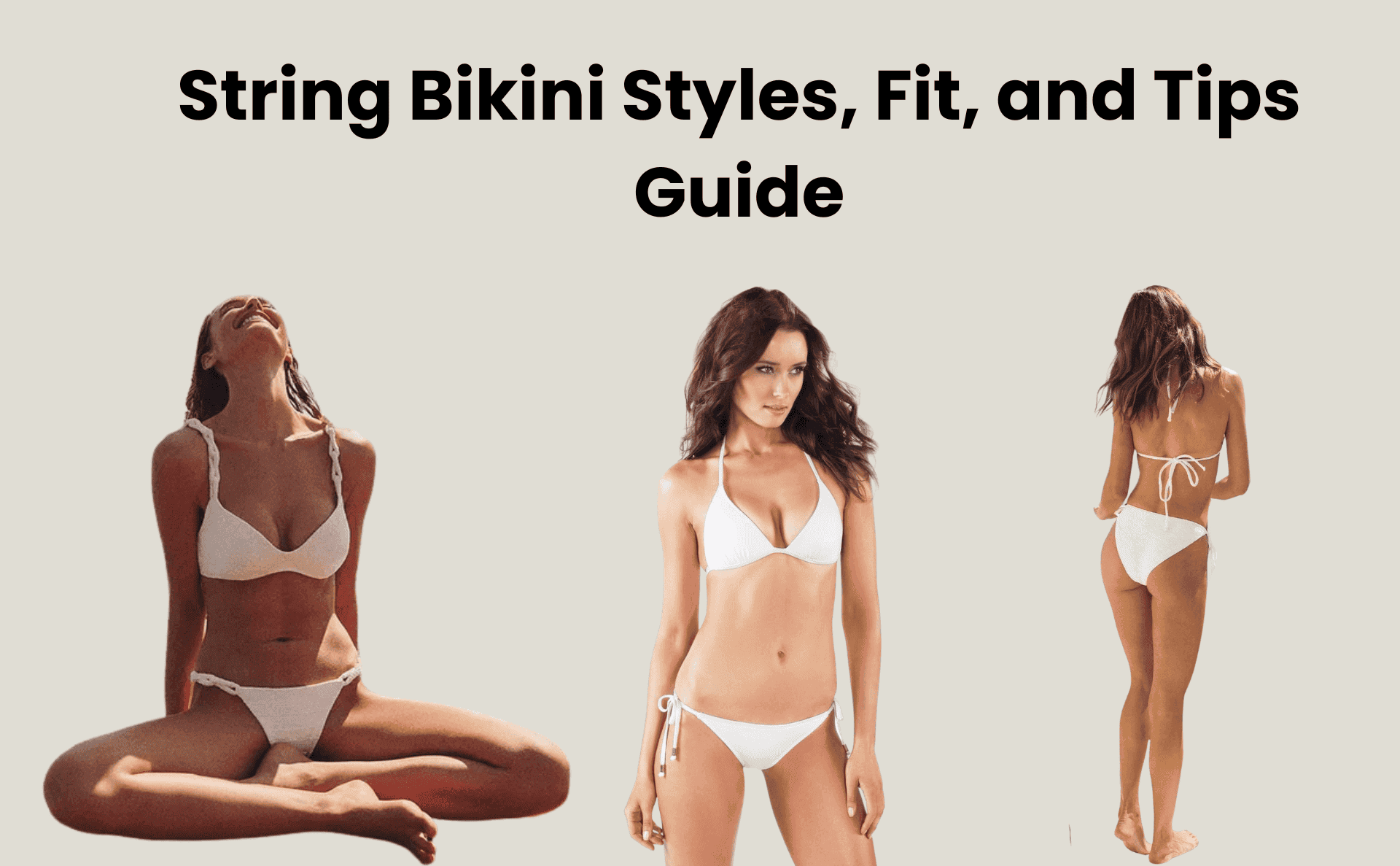
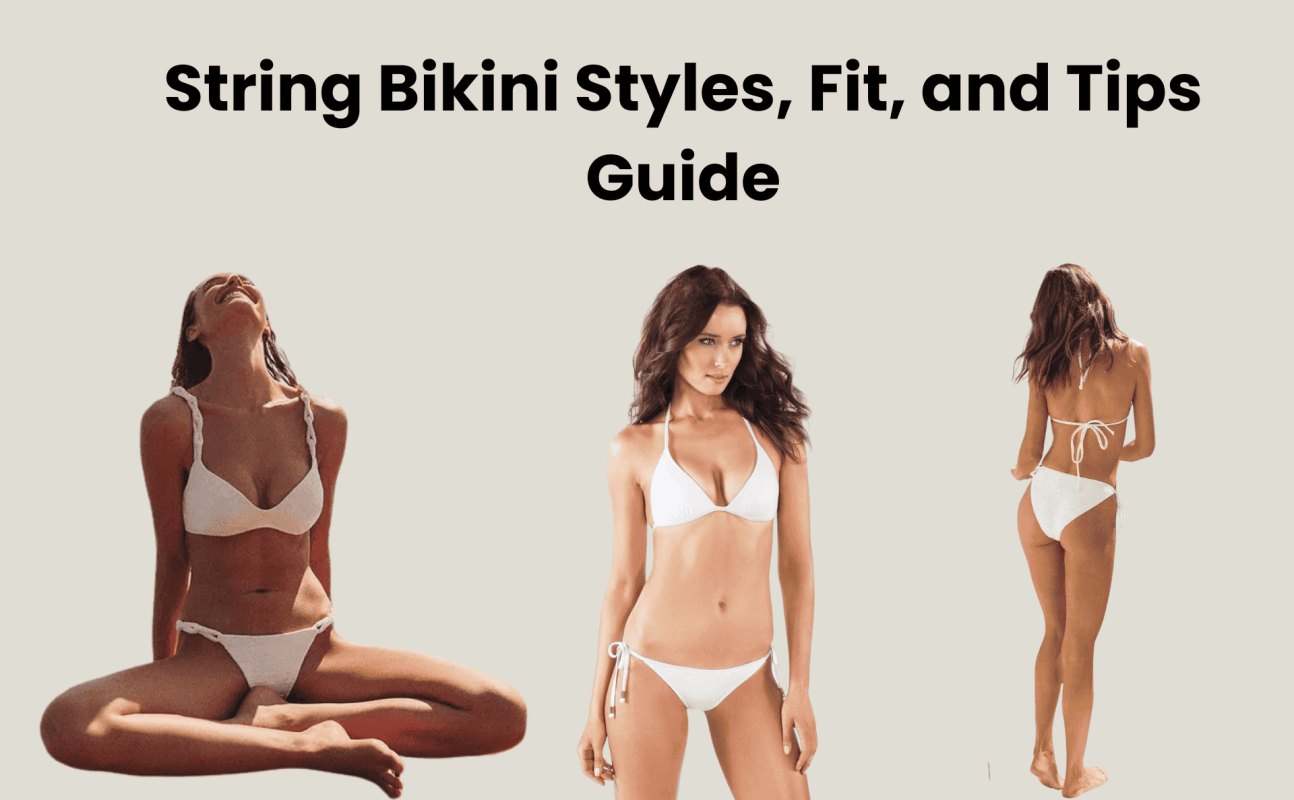
The string bikini did not begin as a fashion symbol. Early swimwear was designed primarily for practicality and modesty. The modern bikini first appeared in 1946, and since then it has become a significant part of popular culture. It is now one of the most widely worn women’s swimsuits worldwide.
In many countries, the design initially faced resistance. In 1949, France banned the bikini from being worn along its coastlines, and during the 1950s it was restricted or discouraged in several other regions. Over time, however, beach culture evolved, and swimwear became lighter, simpler, and more expressive.
As travel, coastal tourism, and summer fashion trends expanded, minimal silhouettes gained popularity. The adjustable tie design allowed for flexibility, which helped this style become widely accepted across different countries and generations.
Why This Style Became So Popular
One major reason for its lasting appeal is adaptability. Because the straps can be adjusted, the fit can feel personalized rather than fixed. This made it accessible to a wider range of body types.
It also offered freedom of movement. Lightweight materials and minimal seams created comfort in warm climates. As beachwear became part of mainstream fashion, this style transitioned from niche to staple.
Modern Influence and Global Appeal
Today, the string bikini is worn in destinations around the world. It appears in travel photography, resort fashion collections, and seasonal style edits.
Its clean silhouette makes it easy to reinvent through color, texture, and print. While trends shift from bold to minimal, the basic adjustable design remains timeless.
Read More: What is Wornside?
Finding a Comfortable and Secure Fit
When selecting a string bikini, comfort should always come first. Adjustable ties allow you to control how snug or relaxed the fit feels around your hips and shoulders. Taking a few extra moments to adjust the straps properly can make a big difference in how secure it feels throughout the day.
It is also important to move around after trying it on. Sit, walk, and lift your arms to make sure everything stays in place. A good fit should feel supportive without digging into the skin.
Considering Coverage and Confidence
Coverage preferences vary from person to person. Some people prefer a more balanced shape that feels versatile for different settings. Others may feel confident in a more minimal design, especially for vacations or resort environments.
The key is choosing a style that matches both your comfort level and the occasion. Swimwear should help you feel at ease, not self-conscious. Confidence comes from wearing something that aligns with your personal style.
Fabric, Care, and Longevity
Fabric quality plays a major role in long-term comfort. Soft, breathable materials are more pleasant to wear in warm weather. Stretch recovery is also important, so the swimsuit keeps its shape after swimming and drying.
To extend its lifespan, rinse swimwear after use and avoid harsh detergents. Gentle washing and air drying help maintain color and elasticity. With proper care, a well-made bikini can remain a reliable part of your summer wardrobe for multiple seasons.